Understand what is here
Get to know how the house works, what it needs, and the place around it.
A home in Japan · With James Todd
I have a house in Japan, a love of gathering people, and plenty still to learn about bringing those two things together.
Green Dragon Refuge is where I’m making that possibility tangible—through repairs, relationships, and returning.
Enter quietly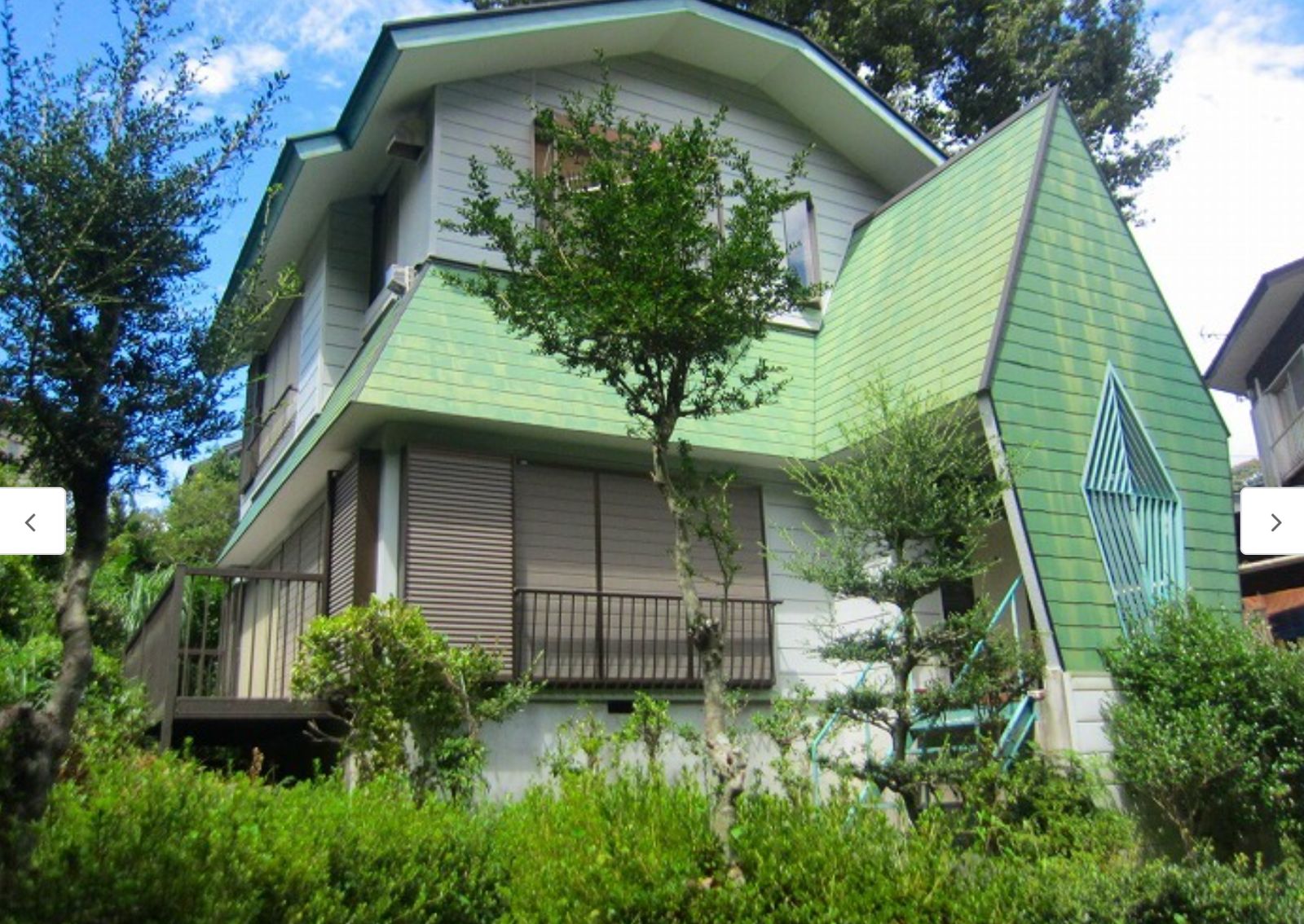
A house with possibility
Here, an instinct for hospitality has a house attached: pale green, surrounded by trees, and full of things to learn.
I’m working out how to care for it and crafting the next steps to make it the perfect place to get away from it all and recharge.
A place can become more than a setting. Care for it long enough, and it begins to participate in what becomes possible.
Making the refuge
Get to know how the house works, what it needs, and the place around it.
Make careful choices about what needs attention now and what can reveal itself over time.
Think through the details that help someone feel at home, from a comfortable room to time together.
Listen, learn, and build relationships with the people who know this place in ways I’m only beginning to.
A first real stay
The first stay brought this concept out of my brain and into reality, which is an overarching theme for this season of my life. The breakthroughs are real, and so are the opportunities.
Hot water took troubleshooting to get it going. A $1,200 cleaning quote went from ridiculous to “maybe I see it.” The stove raised its own questions. The couch is not as comfy as it looks. And I am learning how to make the quiet feel chosen, rather than leave someone isolated when they want connection. A cab ride to town is expensive, so access to a car or scooter is another piece to figure out.
My first visitor was a trooper. This didn’t end up being a workable home base for their trip, but the adventure for both of us still launched, and the serendipity engine we’re part of was working full steam.
Field notes
This is the place for the stories worth sharing: what needs fixing, what surprises me, the people I meet, and the small details that make me miss the place between visits.
This wooden sculpture of the Izu Peninsula is on the wall at Hostel Knot, where I was based on my house-hunting expedition. I fell in love with the place. A community onsen is next door, with welcoming and friendly locals. I highly recommend Hostel Knot to anyone exploring the area. I’ve added a rough estimate of where Green Dragon Refuge is in comparison, about a 30-minute drive away.

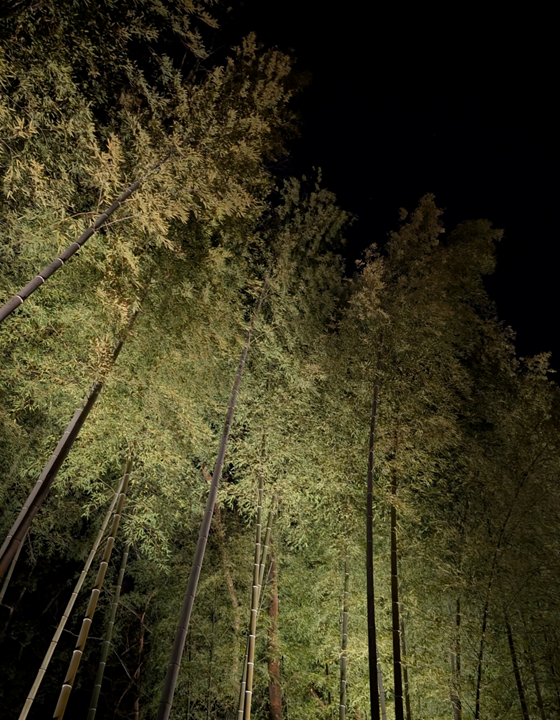
I walked through the bamboo path every night on my way to dinner nearby. The crisp winter air (mid-50s °F) made it feel like early fall at home.
A conversation
The first stay showed me what welcome asks of a place—and of me. What have you learned about making room for someone?
Bring a thought, question, or story to the Green Dragon Refuge conversation on Ko-fi. A Ko-fi account is needed to comment; no purchase is required.
For now
Green Dragon Refuge is not currently accepting bookings or public visits. Follow the next chapter through Expeppermint project updates.
Get project updates